
Acute Myeloid Leukemia (AML) Symptoms
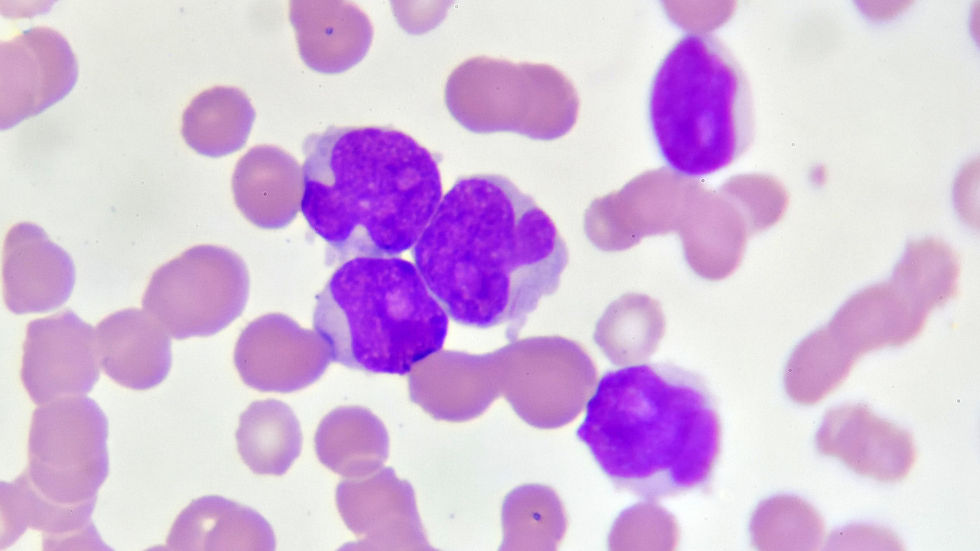
Acute Myeloid Leukemia (AML) is a type of cancer that affects the bone marrow and blood. It mainly attacks myeloid cells, which are responsible for producing red blood cells, platelets, and certain types of white blood cells. AML progresses rapidly, interfering with normal blood cell production and crowding out healthy cells in the bone marrow.
Recognizing the symptoms of AML is important to detect it early and ensure an effective treatment. Here is a list of symptoms caused by various factors.
Symptoms caused by low numbers of blood cells
Fatigue: Feeling very tired and weak because there aren’t enough red blood cells (anemia), which makes it harder for oxygen to get to your body’s tissues.
Trouble Breathing: Having trouble catching your breath because of not enough oxygen in your body from the anemia, even when you’re not doing much physical activity.
Pale Skin: Your skin might look much lighter than usual because there’s not enough oxygen in your blood, which happens with anemia.
Bruises or Bleeding Easily: AML makes it hard for your body to make enough platelets, so you might get bruises, nosebleeds, or bleed for a long time from small cuts.
Frequent Infections: Having fewer healthy white blood cells makes your immune system weaker, so you’re more likely to get infections over and over again.
Symptoms caused by high numbers of leukemia cells
Fever: AML can cause fever and chills because the body reacts to abnormal leukemia cells.
Unexplained Weight Loss: Losing weight quickly without changing what you eat might happen because AML messes up your metabolism.
Swollen Lymph Nodes: Leukemia cells can accumulate in your lymph nodes, making them swell up and sore.
Bone Pain or Tenderness: AML spreading into your bone marrow can make your bones feel uncomfortable or tender, especially in your arms and legs.
Enlarged Liver or Spleen: Leukemia cells accumulation in these organs can make you feel uncomfortable or full.
Who can be affected from Acute Myeloid Leukemia?
Acute Myeloid Leukemia can happen to people of different ages, but some things can make it more risky:
Age: Being older, especially over 65, makes it more likely to get AML.
Past Cancer Treatment: Some treatments like chemotherapy drugs or radiation therapy can increase the chance of getting AML later.
Genetic Problems: Conditions like Down syndrome or Li-Fraumeni syndrome make it more likely to get AML.
Chemicals: Being around chemicals like benzene or other industrial chemicals for a long time can elevate AML risk.
Smoking: Smoking cigarettes can raise the chance of getting AML.
Family History: If someone in the family had AML or other blood cancers, it might make AML more likely for others in the family too.
It’s really important to know these signs that can make AML more likely. If someone notices any of these symptoms or has any concerns, it’s recommendable to talk to a doctor. If you want deeper information about identifying tumor signs, you can consult Altum Sequencing. They’re experts at spotting one tumor cell among 100,000 healthy ones, and offering the treatments that work best.


Comments