
Prognostic value of deep sequencing method for minimal residual disease detection in multiple myeloma.


BLOOD — 2014
Martinez-Lopez J., et al.
This study established the prognostic value of deep sequencing-based MRD detection in multiple myeloma, showing that MRD negativity identifies patients with longer time to progression and overall survival.
Topics
Hematologic malignancies · Multiple myeloma · MRD · TRACKseq
Expanded summary
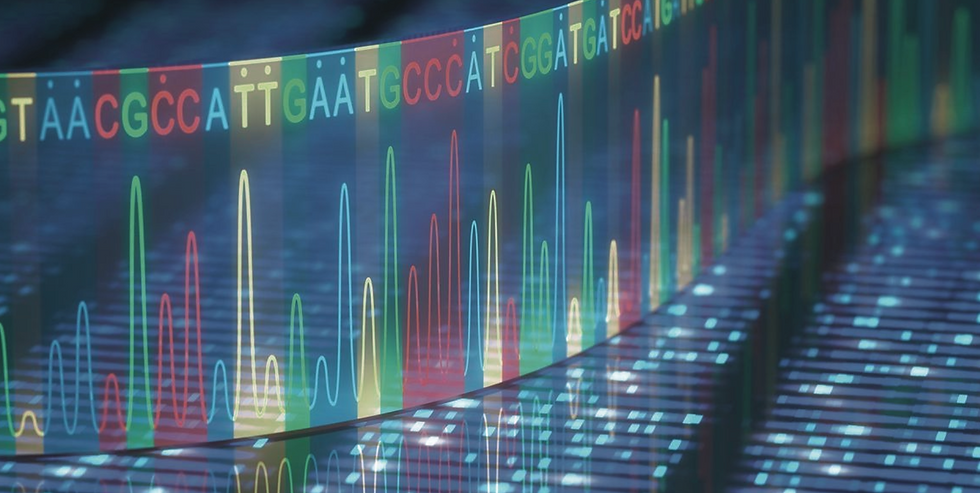
This landmark study evaluated sequencing-based minimal residual disease detection in bone marrow samples from 133 multiple myeloma patients who had achieved at least very good partial response after front-line therapy. Deep sequencing was used to track immunoglobulin rearrangements, and performance was compared with multiparameter flow cytometry and ASO-PCR.
MRD negativity by sequencing was strongly associated with improved outcomes. Patients classified as MRD-negative had significantly longer time to tumor progression and overall survival, and different MRD levels further stratified clinical risk. Importantly, sequencing-based MRD also identified distinct prognostic subgroups among patients in complete response.
For Altum’s scientific positioning, this article supports the value of NGS-based MRD monitoring in hematologic malignancies and reinforces the importance of quantitative molecular response as a predictor of clinical outcome in multiple myeloma.
View article: https://doi.org/10.1182/blood-2014-01-550020


Comments